… a naturalist’s paradise.
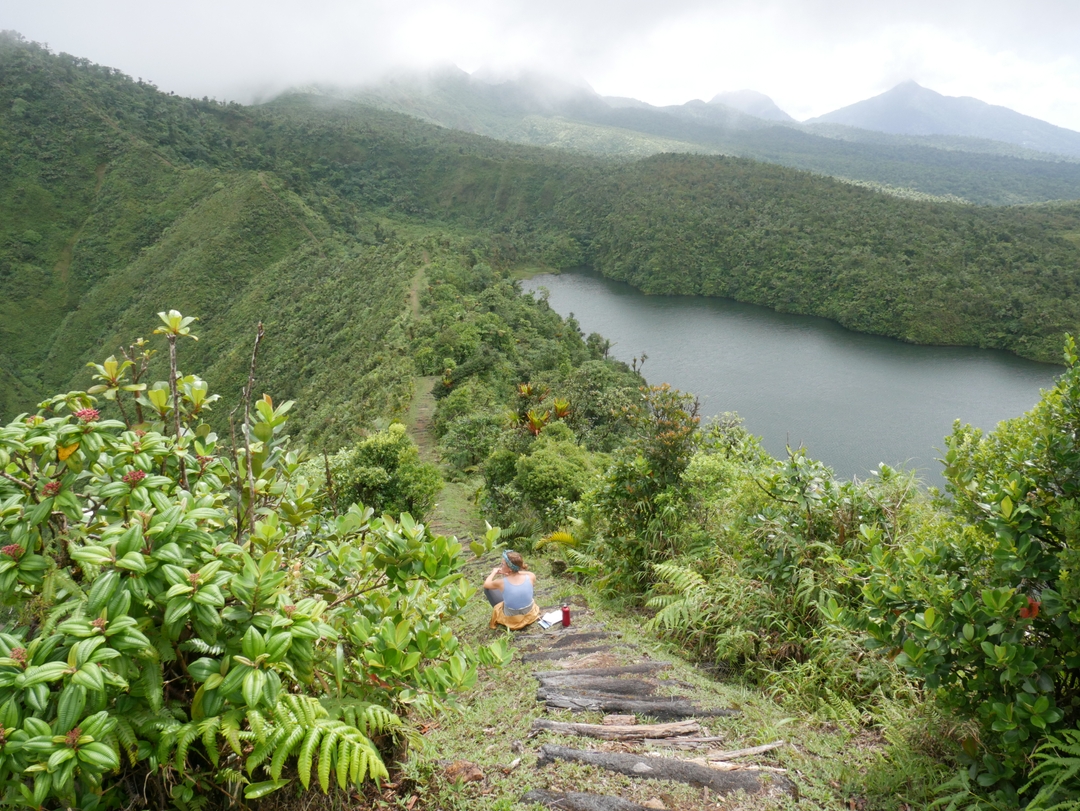
Still unspoiled, its towering volcanic interior showcases spectacular geography, and is host to a huge variety of trees, ferns and other plant life.
Meaning tall is her body, Waitukubuli is the indigenous name the Kalinago, the original inhabitants gave to the island, and it speaks to the steep and mountainous landscapes.
Waitukubuli was re-christened Dominica!
Waitukubuli boasts of the magnificent Morne Trois Pitons National Park, one of the few UNESCO World Heritage Sites in the region.
It is a favorite for birdwatchers, and the critically endangered Sisserou and Jaco parrots can be seen on the north of the island.
It is also home to the 115-mile long Waitukubuli National Trail – the only long-distance walking trail within the Caribbean.
On Waitukubuli the island scenery is stunning, and mountains plunge deep into the Caribbean Sea to the west and the Atlantic Ocean to the east. Volcanic activity is still apparent in the hot springs and the Boiling Lake, the second largest in the world.
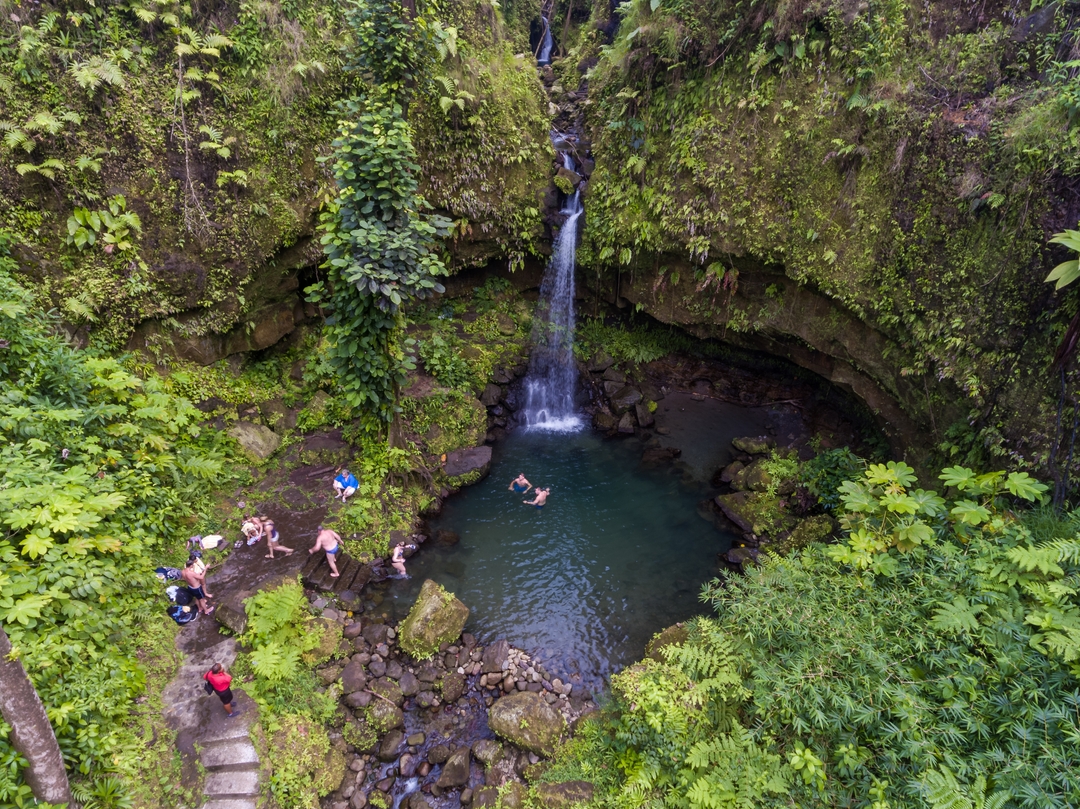
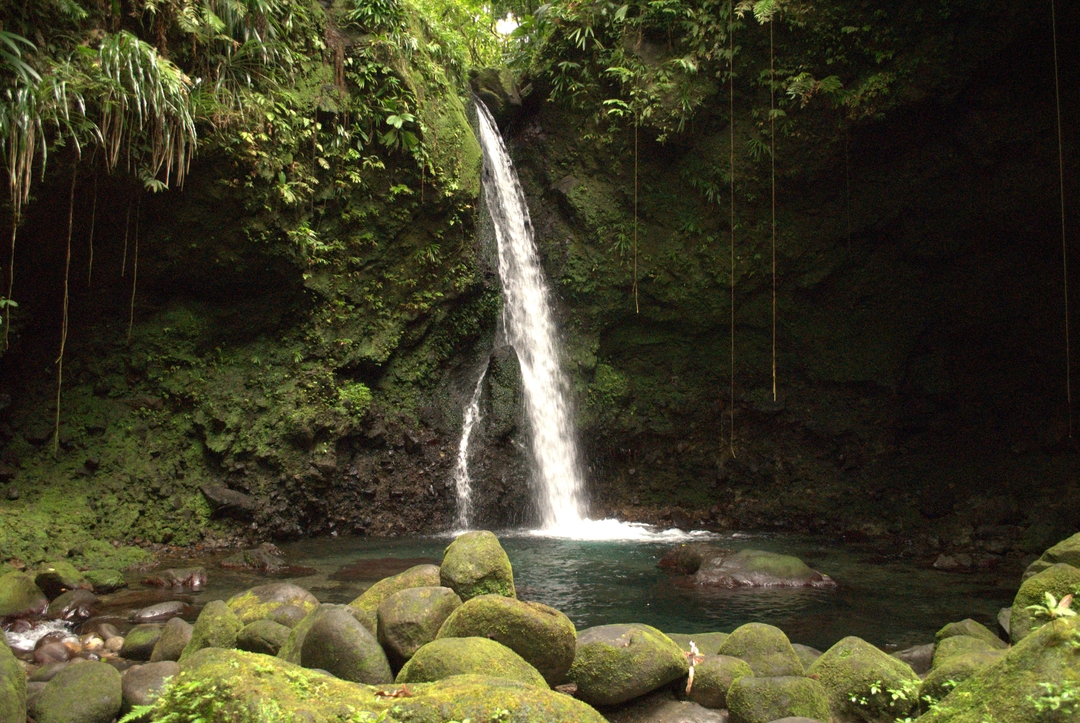
Waitukubuli is a mecca for hikers with plenty of jungle trails that invariably seem to end in cascading waterfalls or splendid views. The spectacular scenery continues underwater and this has earned the island the reputation as one of the Caribbean’s top dive destinations. Whales and dolphins are seen off the coast for much of the year, and turtles often beach on the shores to lay their eggs.
Waitukubuli’s history is evident in the cultural traditions that have survived. More commonly referred to as Creole, this term captures the fusion of the Kalinago, African, and European influences in the language, the traditional dress, the music and the cuisine.
Dominica is unlike any other island in the Caribbean. Unspoiled and full of life, it’s a haven for nature lovers, adventurers,
and those curious about rich culture and heritage.
From world-class diving and hiking trails to vibrant rainforests and living indigenous traditions,
Dominica offers a truly unique island experience.
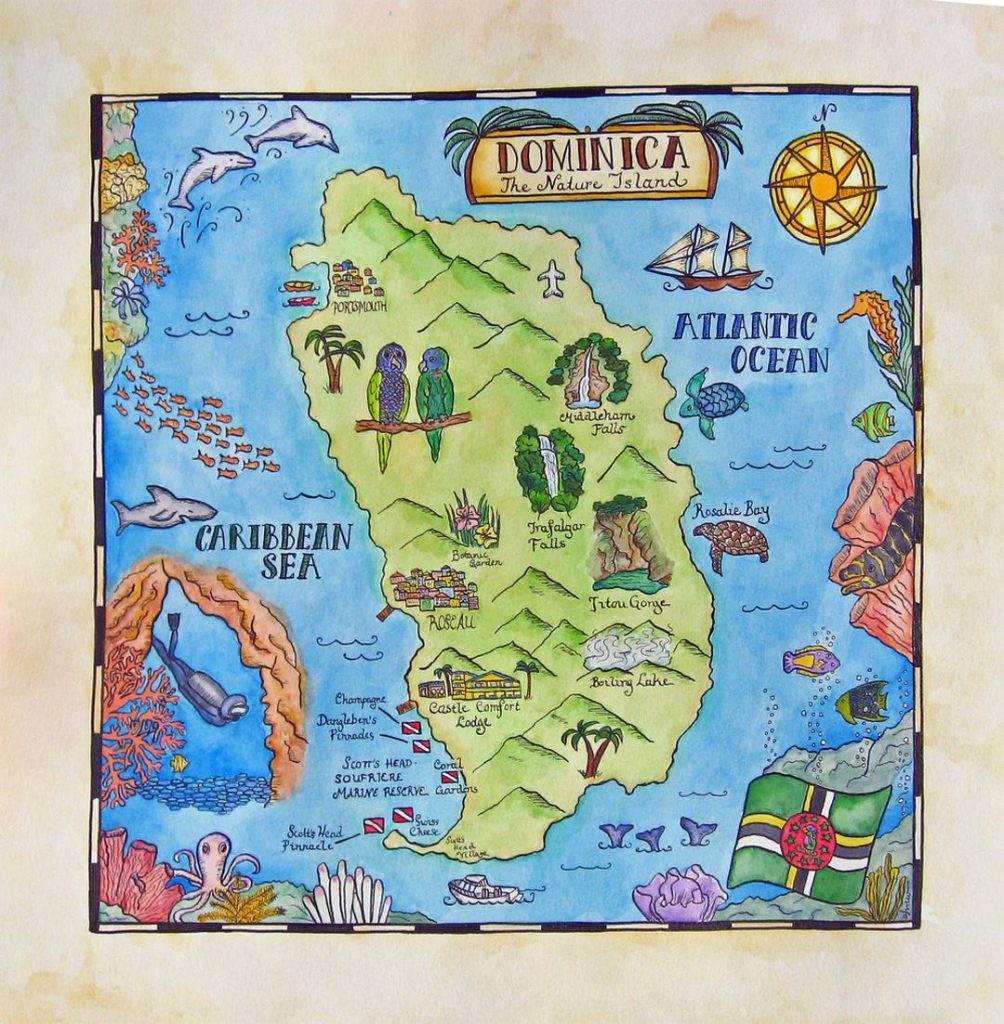
Dominica’s flora, fauna, and rich biodiversity is of UNESCO World Heritage value. The Morne Trois Pitons National Park was inscribed a world heritage site in 1998.
Dominica is the only Caribbean Island where the Kalinago, the last remaining indigenous people of the region can be found.
Dominica is the Nature Island of the Caribbean – lush and green, with nine- (9) active volcanoes, and 300 inches of rain every year. The island boasts of 365 rivers, mountains, waterfalls, lakes, and black sanded beaches.
Dominica boasts of having the largest species of Amazona Parrots – the Sisserou and the Jaco parrots.
Dominica promotes nature-based tourism and the infrastructure is dominated by small and family-owned service providers. The island offers world class hiking and diving, is very safe and boasts of having no poisonous or venomous animals.
Dominica has the deepest Boiling Lake in the world, and the largest in the Western Hemisphere
Dominica has the 115- mile long Waitukubuli National Trail, the only long-distance walking trail within the entire Caribbean region
Dominica’s volcanic landscape provides for dramatic underwater features and deep drop-offs. Washed by fresh mountain streams, its clean coast is the perfect habitat for spectacular marine and coral life, and the island is listed as a top Caribbean dive destination. This eco-system is ideal and supports whale watching year-round.
Dominica is within easy reach of North America, and its location between Guadeloupe and Martinique makes for easy access from Europe.
Dominica is 29 miles long and 16 miles wide and has a population of approximately 70,000 people. English is the language spoken, and the capital is Roseau
The World Creole Music Festival https://dominicafestivals.com/wcmf-home is held during the last weekend of October and this is a very busy time for travel to Dominica.